Wednesday, September 19, 2012

Hackberry galls

Pachypsylla sp.
Sometimes, we find the most unusual and strange things in our Wildscape. The other day, James spotted this hackberry leaf on the ground and showed it to me. Hmmm. Verrryyyyy interesting! I'd never seen anything like it before.The tiny protrusions looked like miniature flowers. I took some photos and emailed them to daughter Lindsey, who's taking at botany course at Angelo State University this fall. She shared them with her professor, who observed that "the leaf growth is altered by feeding of insects or mites. These look like leaves with blister galls from feeding by psyllid larvae."

The leaf's top side
So I checked Bugguide.net and found similar photos....looks like we have hackberry blister gall psyllids (Pachypsylla celtidisvesicula), also called jumping plant lice. According to Texas A&M AgriLife Extension's online field guide, hackberry gall psyllids are not considered to be pests and will not harm the tree.


"Common leaf gall forming species overwinter in the adult stage in bark cracks and crevices," states the AgriLife field guide. "Adults mate in the spring and females lay eggs on the underside of expanding leaves. Nymphs hatch from eggs in about 10 days and begin feeding, which causes leaf tissue to expand rapidly into a pouch or gall around the insect. They develop through several stages before emerging as adults in the fall (September), although the hackberry bud gall maker overwinters inside the gall as a last stage (5th instar) nymph to emerge as adults in early summer. One generation occurs annually."

Just a while ago, I fetched a second leaf. Then I took a small knife and opened a blister. Inside was a teeny-tiny white larva. Next, I broke open a "flower." Inside was another tiny larva but butter yellow in color. How in the world do they get out of the leaf?

"Nymphs mature and then exit the gall once leaves have fallen," states a Ohio State University Extension fact sheet. "They cut a slit in the gall to permit emergence. Thirty minutes later, nymphs molt to adults. Several thousand adults may emerge from a single hackberry tree in late-September, reaching their peak in October."


By the way, adults resemble tiny cicadas, which also molt in a similar process. All verryyyyyy interesting!

Tuesday, September 18, 2012

September 2012 in our Wildscape

Last weekend, Mother Nature blessed us with at least 6 inches of rain. What a difference it's made in our Wildscape! Last month (August), I didn't have the heart to shoot "This month in our Wildscape"....too hot and dry. And depressing. So are lots of photos to make up for my laziness last month.....

Our front yard....


Now we go the oak motte in The Meadow.
The Meadow.
We're in the back yard now...


The Buck-hannan bed (named in honor of Lake Buchanan–that's how the locals pronounce the name), where my northern spicebush is struggling along with morning glories that James gave me for our sixth anniversary.


We've just got to figure out what to do with the paths, which get muddy after rains...mulch maybe? It's got to be inexpenstive!
My assortment of pots contain native plants that I collected from our land or yard– greenthread, wedelia, prairie verbena, dayflower and yarrow.


Monday, September 17, 2012

Yard art, lichen-style

Wow, isn't Mother Nature TALENTED??!!


Tuesday, September 4, 2012

Butterfly beauty

While eating our sandwiches at lunch today, I spotted a beautiful giant swallowtail nectaring in our back yard. Later, James spotted a second one. Aren't they a gorgeous species?


Monday, September 3, 2012

Old man's beard

Drummond's clematis (Clematis drummondii)
Back in my former life, my former husband would often point out this vine to me when we traveled Texas highways. I didn't pay much attention. In those days, native species didn't interest me like they do now. It was just another ol' plant. But I remember him telling me, "There's some old man's beard!" Now I think the vine is one of the coolest native plants, and I WANT SOME! Today, James and I drove out in the country, and he stopped so I could pick some seeds from some growing on an old fence. I had to try and shoot some photos first. Isn't it beautiful? Old's man beard is related to the purple clematis, which also has a fluffy seed head.


NOTE TO SELF: Today, September 28, 2012, I "planted" these seeds along an old barbed wire fence on the west side of our property. 


Purple and yellow in our Wildscape

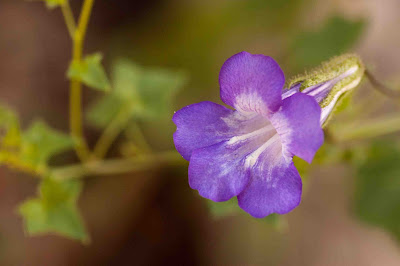
Climbing snapdragon vine (Maurandella antirrhiniflora)

Black dalea

Cowpen daisy (Verbesina encelioides)
Common sunflower (Helianthus annuus)