 |
| Common buckeye Junonia coenia |
Saturday, November 19, 2011


Wednesday, November 16, 2011

Thursday, November 10, 2011


Friday, November 4, 2011
Drought Survival Kit
Folks, this press release from TPW just hit our news desk here at the Pink House:
In an effort to help, Texas Parks and Wildlife Department this week converted its main water resource website to feature an online Drought Survive Kit. The new online resource comes in three sets of web pages.
The Help Wildlife section explains how Texas critters handle drought and advises when and whether to intervene with Mother Nature. For example, it tells how to help birds and butterflies with native plants, and why people should never feed wildlife such as raccoons, deer and opossums.
The Save Your Yard web section recognizes that trying to keep St. Augustine grass and other non-native “water hogs” alive during the drought can be expensive and frustrating. It suggests how, as weather conditions improve, it’s time to think about replacing drought-stricken yards with native “Wildscapes” that are better suited for surviving Texas weather. These are colorful, require little water or care, and attract birds, butterflies and other native wildlife.
The Cut Your Water Bill section covers a few simple ways to save water and money, and links to more information on the Texas Water Development Board’s Water IQ website.
In an effort to help, Texas Parks and Wildlife Department this week converted its main water resource website to feature an online Drought Survive Kit. The new online resource comes in three sets of web pages.
The Help Wildlife section explains how Texas critters handle drought and advises when and whether to intervene with Mother Nature. For example, it tells how to help birds and butterflies with native plants, and why people should never feed wildlife such as raccoons, deer and opossums.
The Save Your Yard web section recognizes that trying to keep St. Augustine grass and other non-native “water hogs” alive during the drought can be expensive and frustrating. It suggests how, as weather conditions improve, it’s time to think about replacing drought-stricken yards with native “Wildscapes” that are better suited for surviving Texas weather. These are colorful, require little water or care, and attract birds, butterflies and other native wildlife.
The Cut Your Water Bill section covers a few simple ways to save water and money, and links to more information on the Texas Water Development Board’s Water IQ website.
Monday, October 17, 2011
Transplants for next spring

Yesterday, we got busy and transplanted some volunteer natives into plastic pots. On the right are turk's caps. In the right bin are salvias, one lantana, rock roses and a longwood blue. We've also got two baby mountain laurels (in the pink pot) that a friend of my son's gave us last year. I hope to dig up more volunteers before it gets too cold.
October 2011 in our Wildscape


It's amazing what a difference that 2 inches of rain can make! Our Wildscape is blooming and greener since our rains October 8 and 9. Thank you, Lord!!


Tuesday, October 11, 2011
Life in our Wildscape
 |
| Another frillitary child! This one's in the front yard. It's eaten ALL the leaves on this passionflower vine. |
 |
| Portrait of that hungry Gulf fritillary caterpillar. |
 |
| The dalea's blooming! We planted it on my birthday last March. |
 |
| Ants visiting wild petunias. |
 |
| 'Hot Lips' salvia bloom with a fly passing by. |
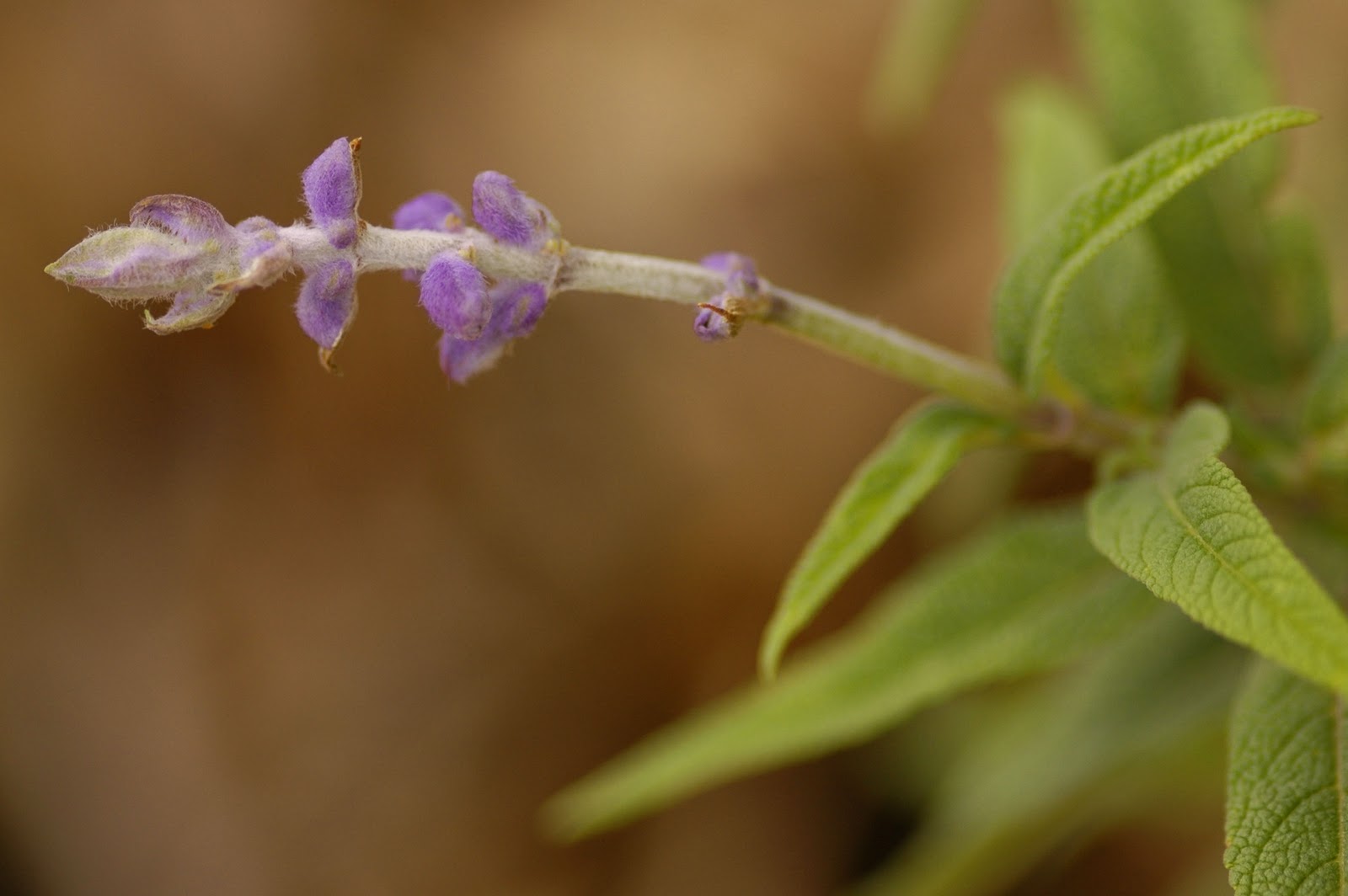 |
| Mexican bush sage bloom |
 |
| Fly dining on a cowpen daisy..... |
 | |||||||
Fly not dining on cowpen daisy any more...
|

Subscribe to:
Posts (Atom)